
Chinese super embassy in London gets go ahead after High Court challenge is dismissed
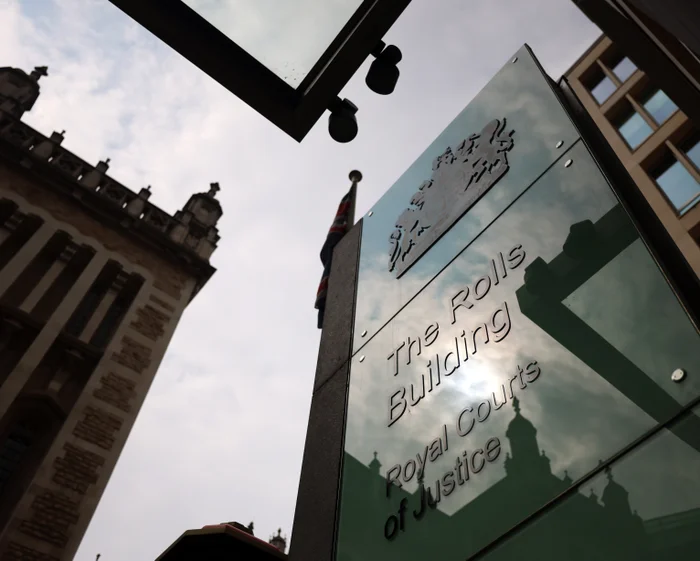
The Royal Mint Court Residents’ Association had challenged the decision to grant planning permission Construction of a new Chinese super embassy in London can go ahead after the High Court dismissed a challenge to the government’s decision to grant planning permission. The Royal Mint Court Residents’ Association (RMCRA) brought legal action against the Ministry of Housing, Communities and Local Government, and the London borough of Tower Hamlets.
Royal Mint Court residents’ association, which tried to fight planning permission, says it will appeal against decision
Construction of a controversial new Chinese embassy was greenlit on Friday after the high court dismissed a challenge from neighbours.
But the Royal Mint Court Residents’ Association (RMCRA), which brought the case against the government, immediately announced plans to appeal against the decision, which could cause further delays to the project. The debate over planning permission for the new embassy has been a sore point of UK-China relations in recent years.
The RMCRA represents people and businesses that live and operate from properties on Royal Mint Court, the historic site that the Chinese government bought for £255m in 2018.
The association argued that the government had been unlawful in granting planning permission for the project and that it had failed to assess its human rights considerations.
The Department for Housing, Communities and Local Government in January gave permission for China to build the vast new diplomatic outpost, which would be Beijing’s biggest in Europe.
The decision was delayed for months after the planning application was taken out of the hands of the local council, Tower Hamlets, which had originally rejected it on security grounds. Senior spy officials later advised the government that the risks to UK national security could be controlled and dealt with.
The high court rejected the RMCRA’s arguments. It said there was no evidence of the Chinese government interfering with the human rights of the residents, “even though they had strongly objected to the proposed embassy and had been involved in protests”.
The government said they “conscientiously and carefully had regard” to the residents’ concerns.
Ricardo Paulo Gama, a solicitor at Leigh Day, the law firm representing the residents’ association, said that he hoped a higher court would be “braver” in considering the grounds of appeal.
The RMCRA raised more than £220,000 to fund the legal challenge. The group is supported by the Inter-Parliamentary Alliance on China (IPAC), a cross-party group of parliamentarians focused on China.

Luke de Pulford, the executive director of IPAC, said: “We have together already prevented the Chinese Communist party from breaking ground at Royal Mint Court for more than seven months.”
“The fight continues and we all want to win this case and to stop the embassy”.
Mark Nygate, a representative of the RMCRA, said: “While we were also disappointed with today’s judgment, we knew this was going to be a long [process], and we intend to go all the way through.”
Nygate said that it was a battle of “David v two Goliaths”, the British and the Chinese governments.
The Chinese government was not a party to the legal challenge. It has criticised the delays to the project and Xi Jinping, China’s president, raised the matter last year directly with Keir Starmer, the then UK prime minister, during a phone call.
Plans to redevelop the British embassy in Beijing have been blocked until the Chinese embassy’s new site in London is approved.
Coverage from 2 sources
Coverage by lean
- Unknown2
Comments
Sign in to join the discussion.
Sign in with SpryLogin