
Ginger hair portraits show unexpected 'golden thread' connecting Americans

For Kieran Dodds, photographing people with red hair has become something of an obsession over the past decade or more.
For Kieran Dodds, photographing people with red hair has become something of an obsession over the past decade.
The 45-year-old, from Edinburgh, who is himself a "proud ginger", began taking pictures in his homeland in 2013 as part of a series examining Scottish identity.
His interest in the subject soon took him to other ginger hotspots such the Russian city of Perm and Jamaica's Treasure Beach.
His 2020 book Gingers spanned the world but after its release he noticed there was a "huge gap".
"I realised I didn't have any American citizens," Kieran told the BBC.
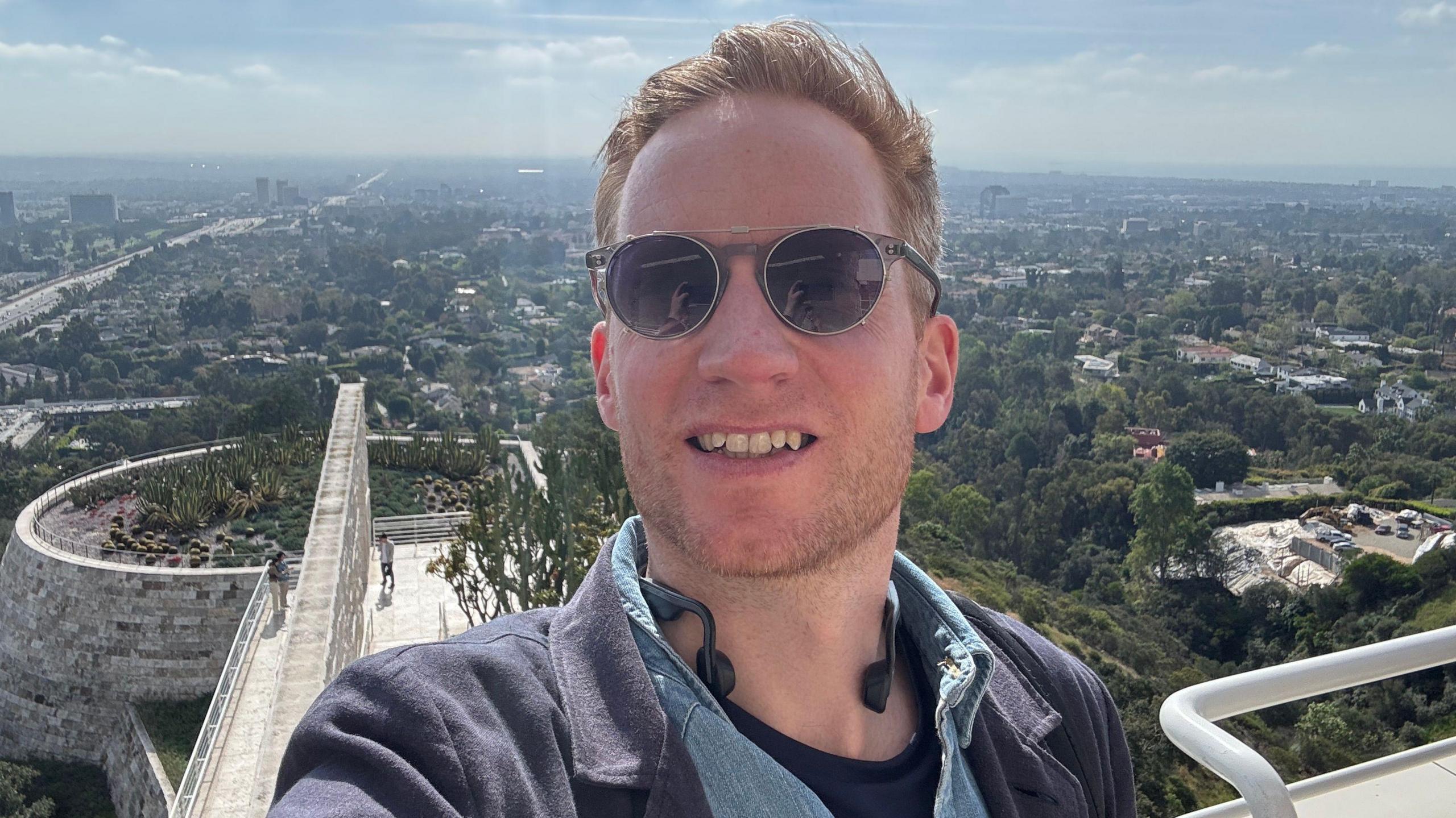
"I was like 'oh wow, of course, the whole world is in the States'," Kieran says. "It's a microcosm."
He says a message from a Native American man who had red hair instantly aroused his curiosity.
"I found it very interesting and it made me think, 'where on earth did it come from?'"
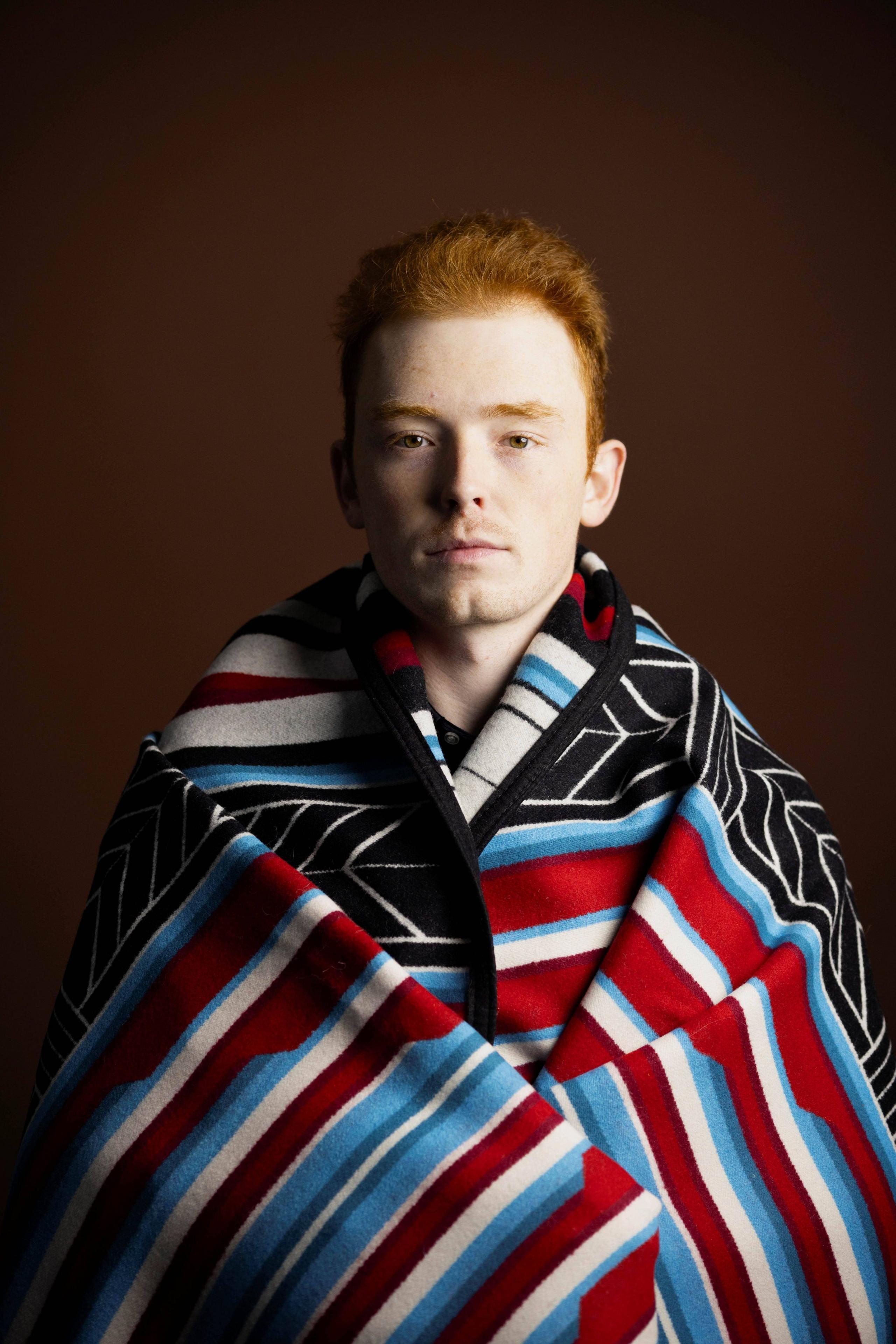
The cover of his latest book - Gingers of America , external - features Joshua Elliot from the Muscogee (Creek) Nation in Oklahoma.
He told Kieran that some of his mother's relatives were German and on his dad's side there were people from England and Sweden, so that could explain where his ginger hair comes from.
"My mom's side has always been involved with the Muscogee tribe and traditions and I've grown up around it," he said.
Joshua knows he does not fit people's expectations of what a Native American should look like, but he said: "Our chief's wife told me it's about your involvement in your community and your tribe, the people around you and what you put back into it.
Kieran spoke to a lot of Native Americans on his visits and most knew of a European ancestry which could explain their red hair.
"The thing that surprised me was how early on there were these Scots and Irish marrying Native Americans," he said.
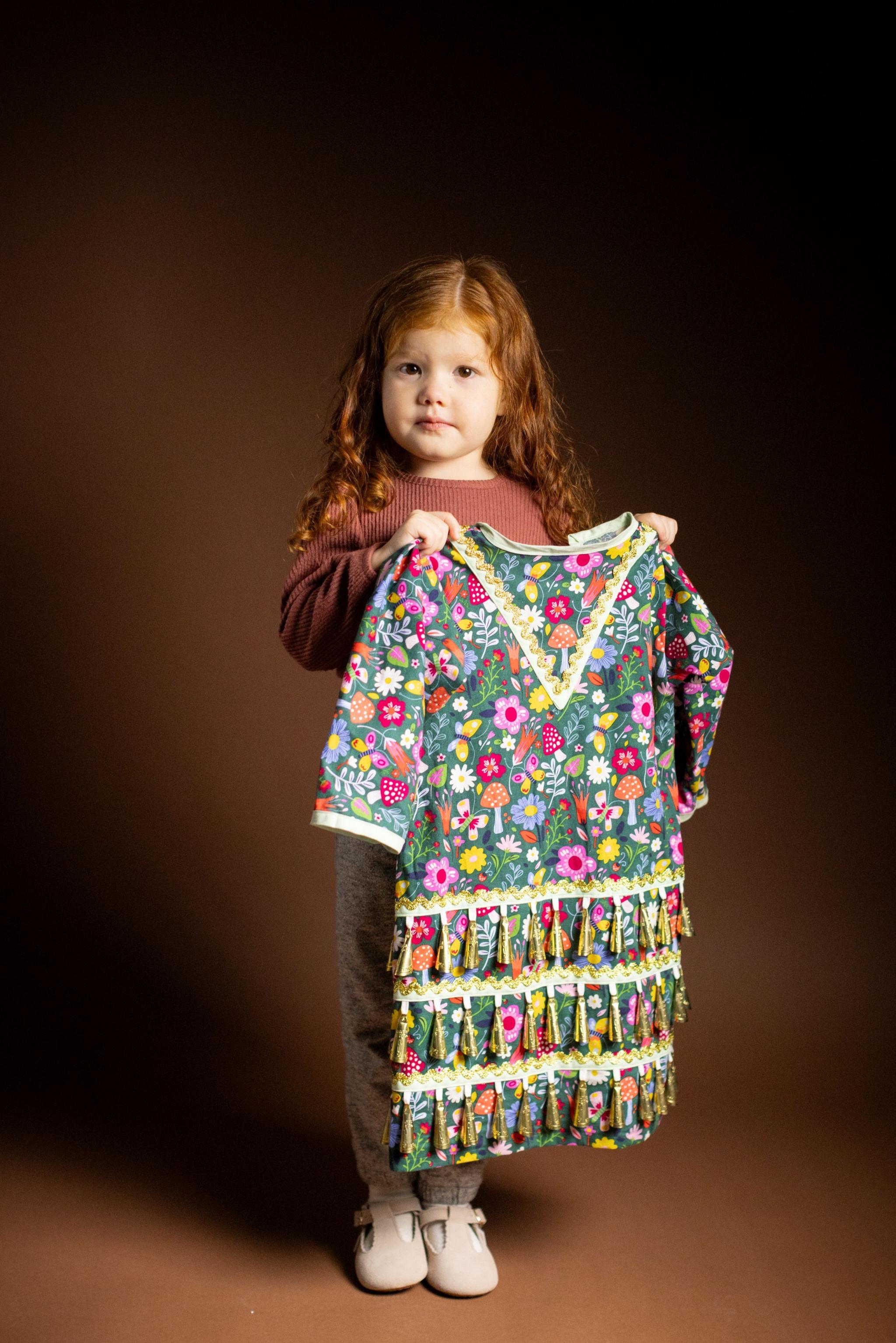
Lottie Wahkinney, a Comanche girl from Oklahoma, has Scottish grandparents, from Hawick.
Her father Jared told Kieran his dad was Comanche but his mum was born and raised in Scotland.
"That's why my Lottie has a good mix of everything going on," Jared said.
"My Scottish grandparents would come over every summer.
"On my first visit to Scotland when I was 22, folks were like, 'Where are your moccasins? Where's your headdress?'.

While most Native Americans could explain where the ginger gene might have come from, there was one exception - a Cherokee girl called Lakia - whose family knew of no European ancestry.
"It is a totally different colour of red," Kieran said.
"It's deep ruby. That really intrigued me."
In the book, Lakia says that all her family, on both sides, have jet-black straight hair but hers turned red during her childhood.
"Everyone thought, since I was about eight, that I dyed my hair," she said.
"And still now everyone's like, 'what hair colour is that?'."

After meeting Native Americans, Kieran knew there was something in the US he could explore.
Over the next few years, he made seven lengthy trips, often linked to his full-time profession as an environmental photographer.
One state he found surprising was Alabama, a place many in the UK associate with racial segregation and the struggle for civil rights as well as its pioneering space exploration programmes.
"I knew it for racism and Nasa," Kieran said.
"In my head it was stuck in the 60s but Birmingham is an incredibly vibrant city.
"I met a lot of black Americans who had often married someone who is white."
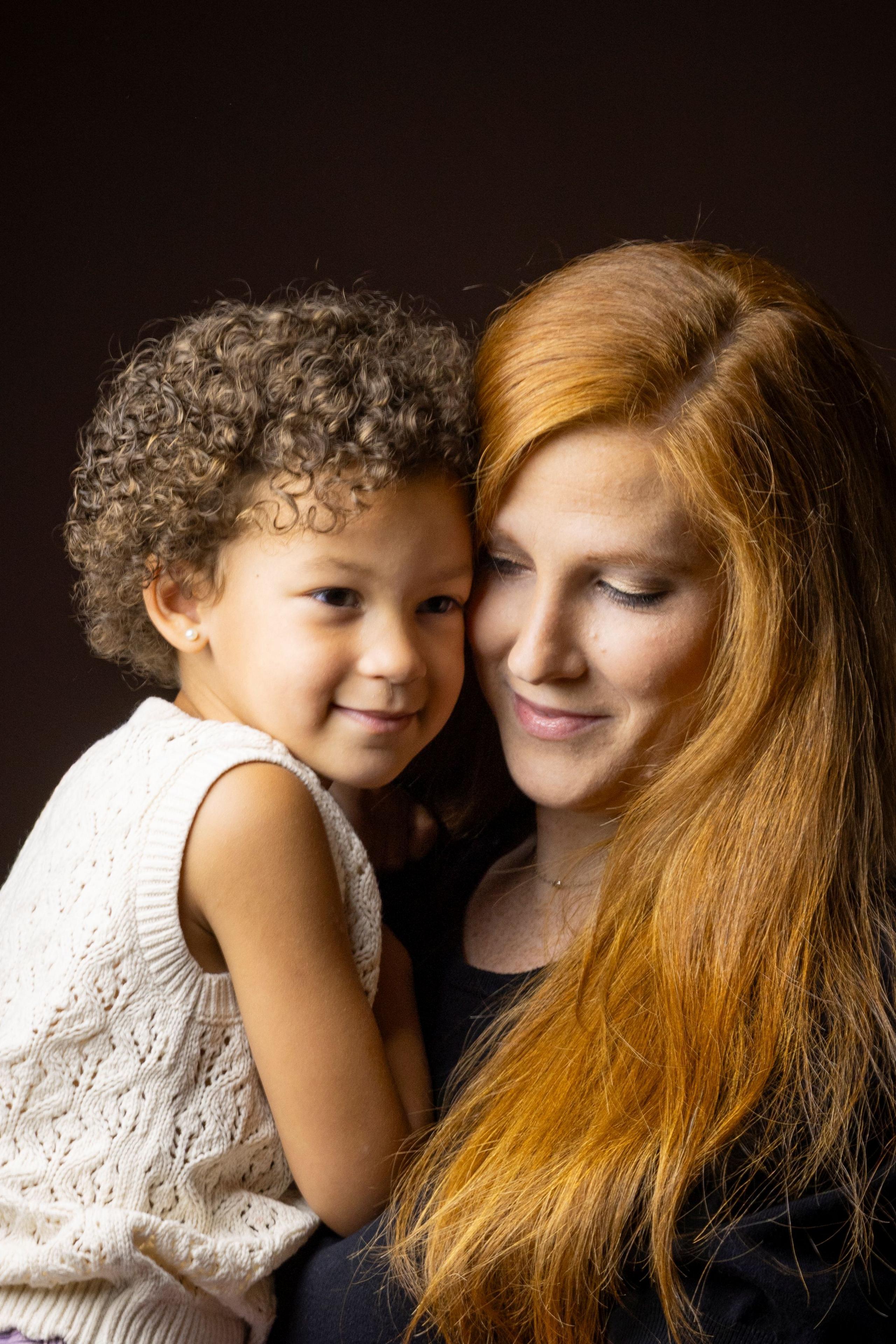
Rachel Releford told Kieran that when she goes out with her daughter Liliana people think she is the nanny or the babysitter.
"I'm like, 'nope, she's mine'," Rachel said.
"I think you still get some people who grew up with the mindset that things need to be segregated.
"Some of my grandparents' friends were a little hesitant when they found out I was dating my husband. They said: 'You're really going to let her date someone of a different race?'
"But my grandparents were like, 'Go for it. He's a cool guy, he's a sweet one.' I love him for who he is. He's a great human being."
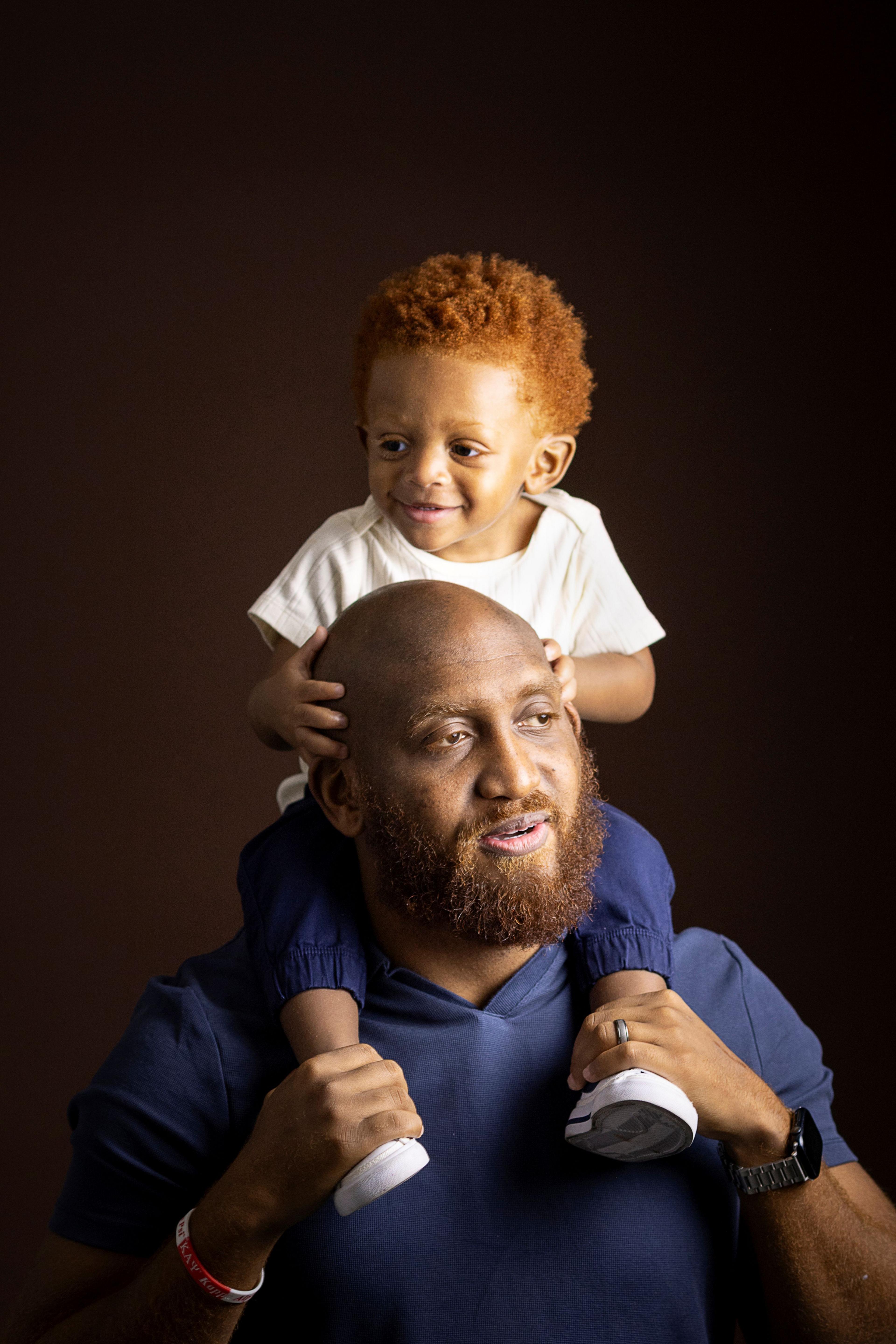
Also in Alabama, he met Henry Davis and his young son Henry Davis II.
The older man no longer has any red hair but he says he looked just like his son when he was the same age.
"We're not really sure where it comes from," Henry senior said.
"My dad is turning grey now. He'll get some red in his beard, and then it kind of goes grey.
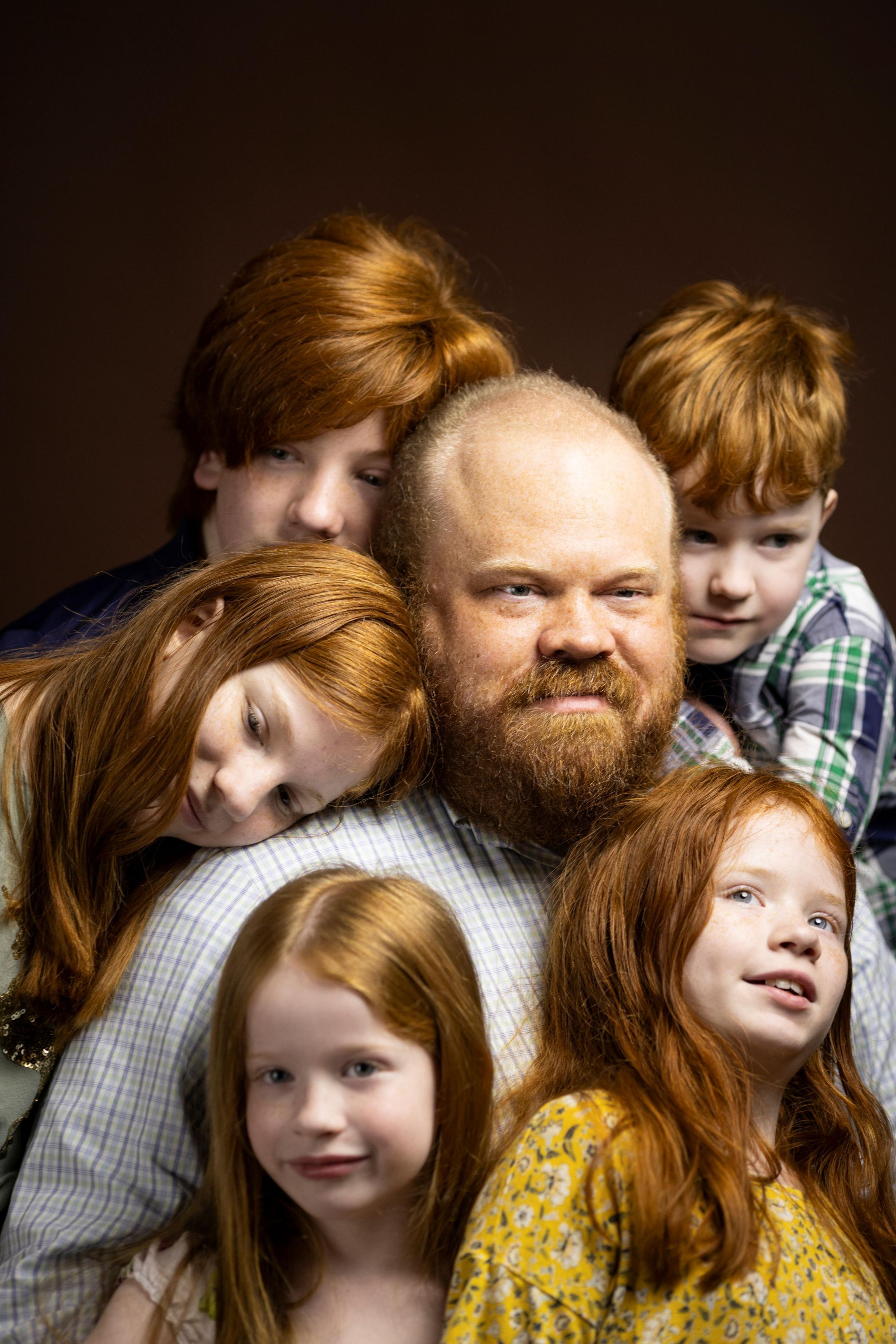
As someone who grew up with red hair himself, Kieran says he is well aware that ginger can be used as an insult.
Coverage from 1 source
Coverage by lean
- Unknown1
Comments
Sign in to join the discussion.
Sign in with SpryLogin