
'What was my fault?': How India's exam paper leak ended young lives
Two families reveal the human toll of India's medical entrance examination paper leak.
Three days before he was due to sit India's rescheduled medical entrance examination, 17-year-old Kahaan Patel jumped from the sixth floor of his family's apartment building in the western city of Ahmedabad.
When his family entered his bedroom after his death in the early hours of 18 June, it looked as though he might return at any moment.
His laptop was still open. Text books, notebooks, pens and markers lay scattered across his bed and study table. He was wearing his headphones when he jumped. In one corner stood his electric guitar, plugged into an amplifier. On the shelves were Harry Potter novels, a book on Elon Musk, a collection of Goosebumps horror novels and board games. There was a trophy for "consistent academic performance".
"The only thing missing," his father, Prashant Patel, says quietly, "was Kahaan."
Kahaan was one of at least 21 students who died by suicide allegedly upset after this year's National Eligibility cum Entrance Test (NEET) was cancelled because of a question paper leak, forcing nearly two million candidates to take the examination again.
Their deaths became the emotional core of an extraordinary youth uprising that spilled onto the streets of Delhi in July, where thousands demanded accountability for repeated exam failures. After days of protests led by the satirical Cockroach Janta Party (CJP), education minister Dharmendra Pradhan resigned.
But behind the politics were families like Kahaan's – left trying to understand how an examination scandal had become a matter of life and death.
For Prashant Patel, the story begins not with his son's death but with a dream.
After scoring well in school leaving exams, Kahaan announced that he wanted to become a doctor. There were no doctors in the family. His parents reorganised their lives around that ambition.
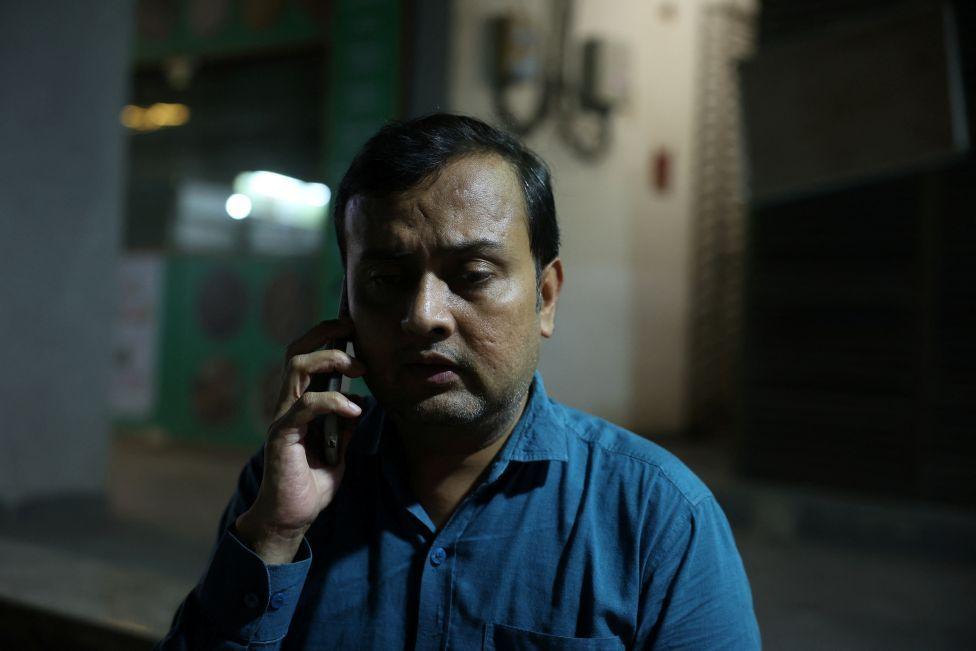
They moved from Surat, a diamond and textile hub, to Ahmedabad, Gujarat's largest city, so Kahaan could attend a better school and prepare seriously. His father, a lawyer, bought a flat close to both the high court and Kahaan's school, commuting between the two cities while Kahaan lived with his mother Veena and younger brother Rihaan.
"He took that decision himself," his father says. "We only supported him."
Kahaan wasn't the sort of teenager consumed only by textbooks.
He played football for his school team, devoured Harry Potter and Percy Jackson novels, loved science-fiction films and spent hours teaching himself hard-rock guitar riffs. He had recently secured a US visitor visa and was excited about returning to Disneyland after the exam, revisiting a place he had first seen on a family holiday 12 years earlier.
After the 2024 paper leak, he took NEET as a practice attempt. His performance convinced both him and his teachers that he was on track.
On 3 May, he emerged from the exam convinced he had done enough and called his father.
"Daddy, I am so happy. I am feeling free, relaxed. I'm going for dinner with my friends. I'm enjoying."
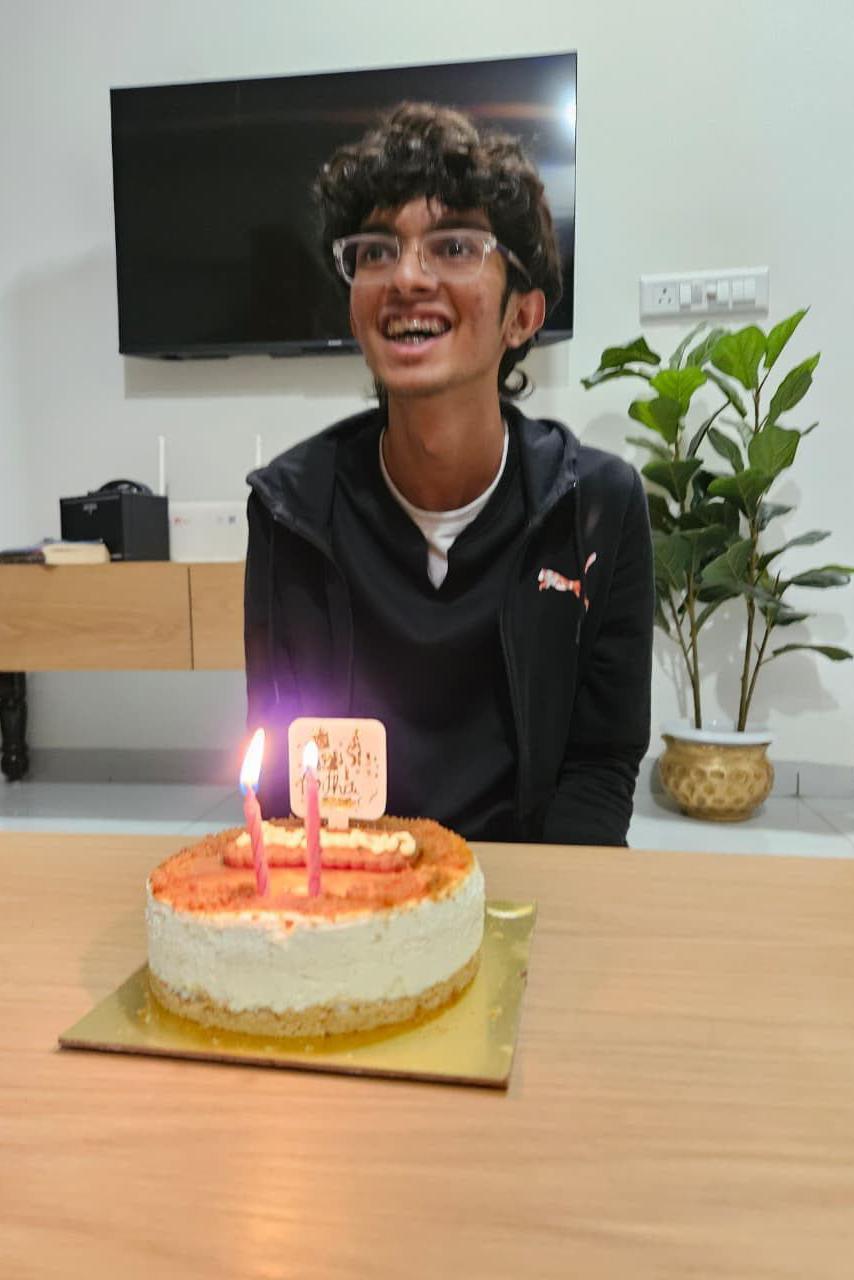
Prashant Patel remembers telling him: "This is your time. Enjoy."
Then came news that the paper had been leaked.
His parents tried to shield him from the reports, but it was impossible. Friends from his coaching classes were already discussing them. He rushed back from a farmhouse holiday with friends, scrambling to retrieve the notes and textbooks he had already given to younger students in case he had to sit the exam again.
Within days the government announced a retest.
"That was when he became angry," his father recalls.
"He kept asking me: 'Is this a system? Is this how it works? What is my fault? What is the fault of students who gave the exam honestly? Why is the government taking it so casually?'"
His father tried to reassure him. "I told him, 'This is the system. What can we do?'"
Now he wonders whether his words sounded like comfort or resignation.
"Maybe he was disappointed. Maybe he was suffering inside."
On the evening of 17 June, the day before he died, Kahaan chatted cheerfully with his grandfather, who had just landed in Melbourne to be with his daughter, on a video call. Kahaan asked him to bring back Puma football boots, Levi's jeans and jackets.
Later that evening, he spoke to his father. As the call ended, his father offered one final reassurance: "I told him, 'You proved yourself once. You don't have to prove yourself again.'"
Only afterwards did friends tell his father how deeply the examination scandal had unsettled him.
"He kept asking why the people responsible couldn't take the right decisions," his father says. "He used to say, 'Is this a joke for our ministers to conduct examinations like this?'"
Kahaan's family was not alone in asking those questions.
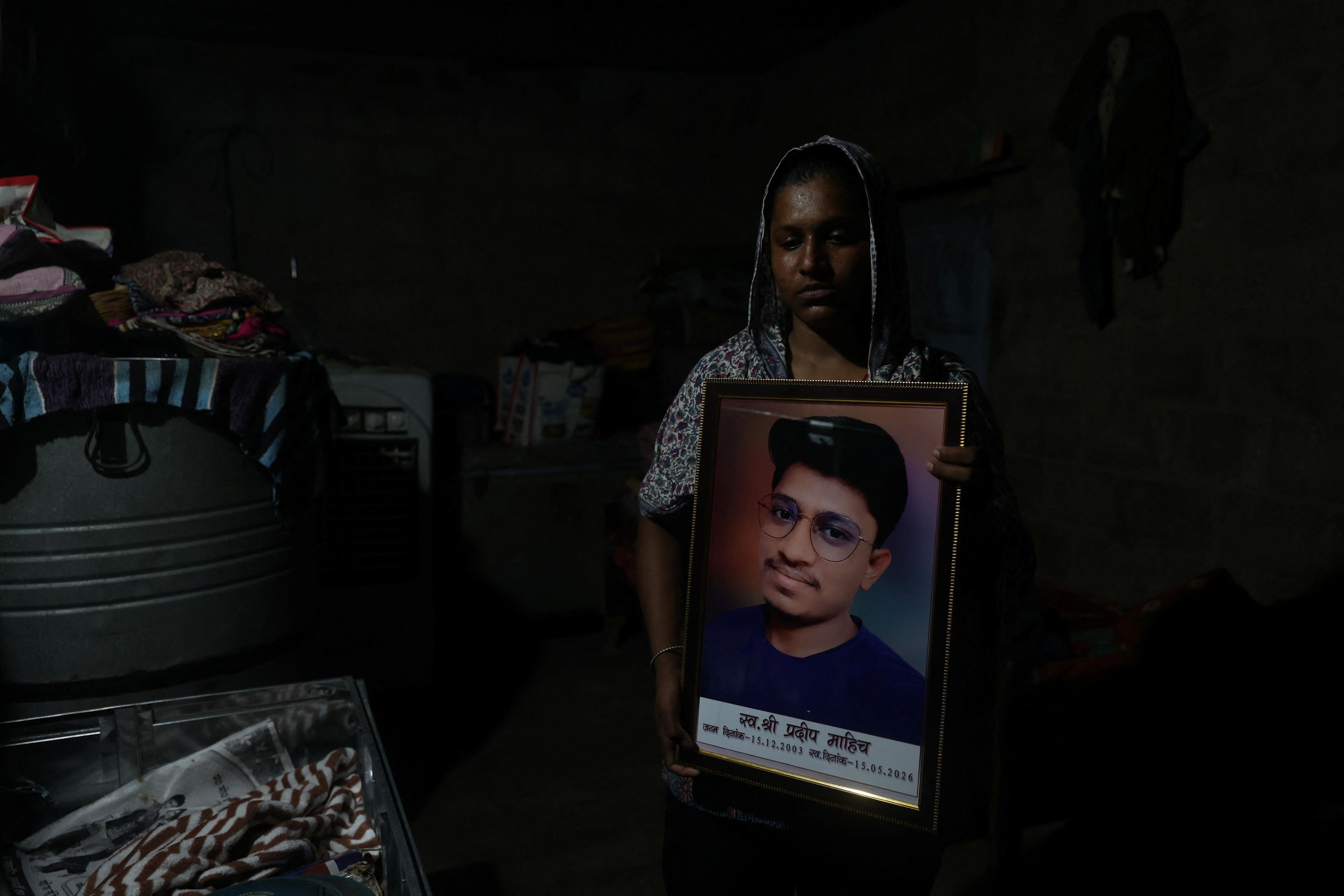
Some 770km away, in Rajasthan's Jhunjhunu district, another family was trying to understand an equally unimaginable loss.
His father, Rajesh Kumar, is a small farmer in a village where Pradeep was the only student preparing for NEET.
Rajesh, 45, had left school as a child. His wife had never been to school. Becoming a doctor would have made Pradeep one of the first in the family to climb into the professional middle class.
"He would tell me, 'I want to serve people so much that they will remember me,'" Rajesh says.
To finance that dream, he sold land and borrowed more than a million rupees ($10,480; £7,804) from a bank. Coaching in Sikar, one of India's biggest hubs for entrance exam coaching, cost a fortune.
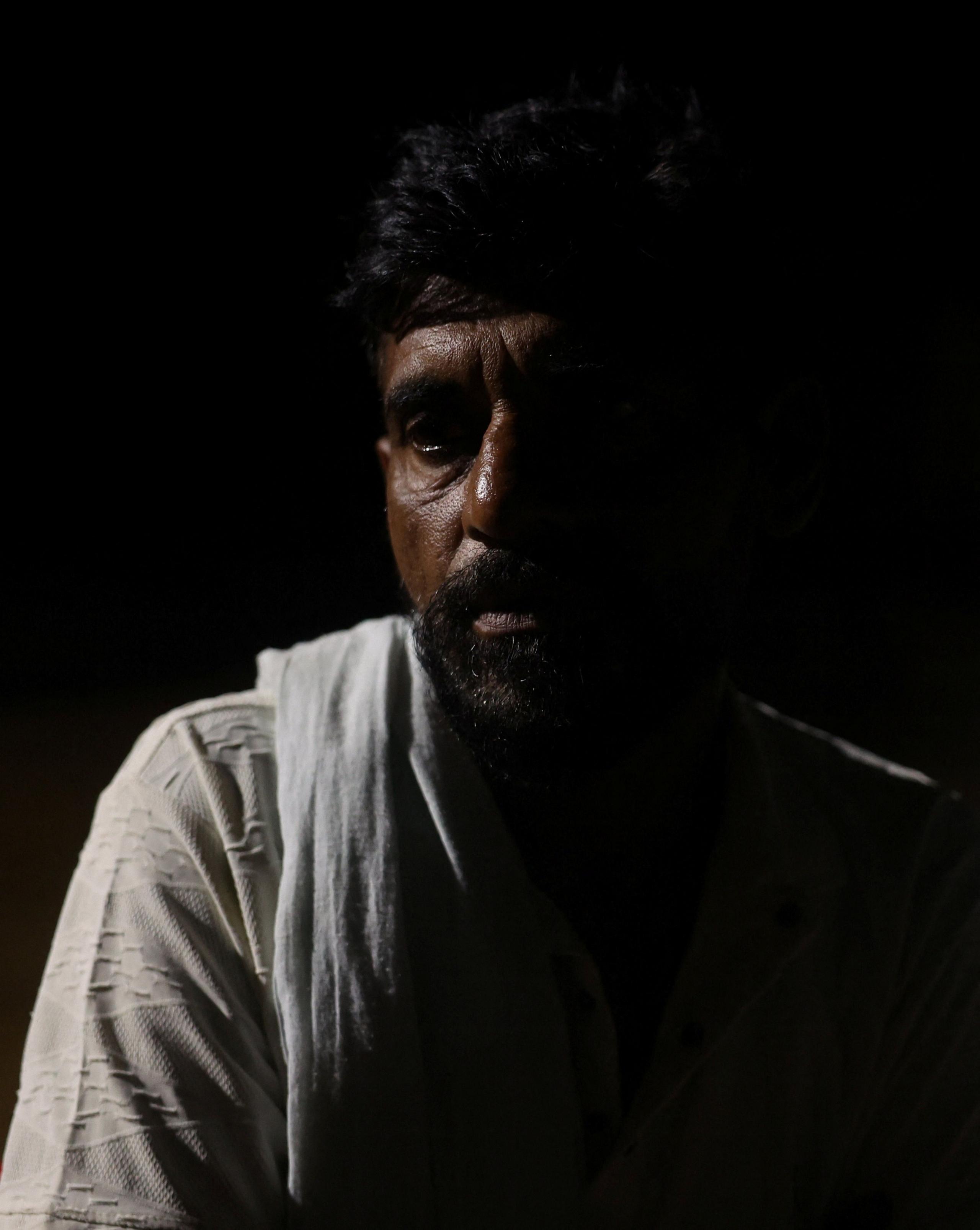
In 2022, Pradeep moved to Sikar for coaching, sharing a rented room with his older sister, Babita Kumari who was preparing for police recruitment exams. Two NEET attempts steadily improved his rank, bringing a government medical college within reach.
Then came his third attempt in May this year. The paper was leaked, the examination was scrapped and a retest ordered – meaning Pradeep would have had to sit NEET for a fourth time.
By then, his life was a relentless 16-hour cycle: up at 4.30am, coaching, self-study until 9pm, sleep, and repeat. Everything else was stripped away.
Pradeep refused to own even a mobile phone.
"I'll buy one after I'm selected," he would tell his father. "Phones distract me."
His only indulgence was a collection of about 10 inexpensive wristwatches, bought from roadside shops on trips between Sikar and home.
After sitting the exam on 3 May, he emerged smiling.
"This time my selection is guaranteed," he told his father.
The family planned to leave Sikar, return to their village and celebrate. Instead, the paper leak surfaced.
"We'll have to prepare again," Pradeep told his father stoically.
Coverage from 1 source
Coverage by lean
- Unknown1
Comments
Sign in to join the discussion.
Sign in with SpryLogin