
Is pet-safe ice melt actually pet-safe? Plus, more winter safety tips for dog owners
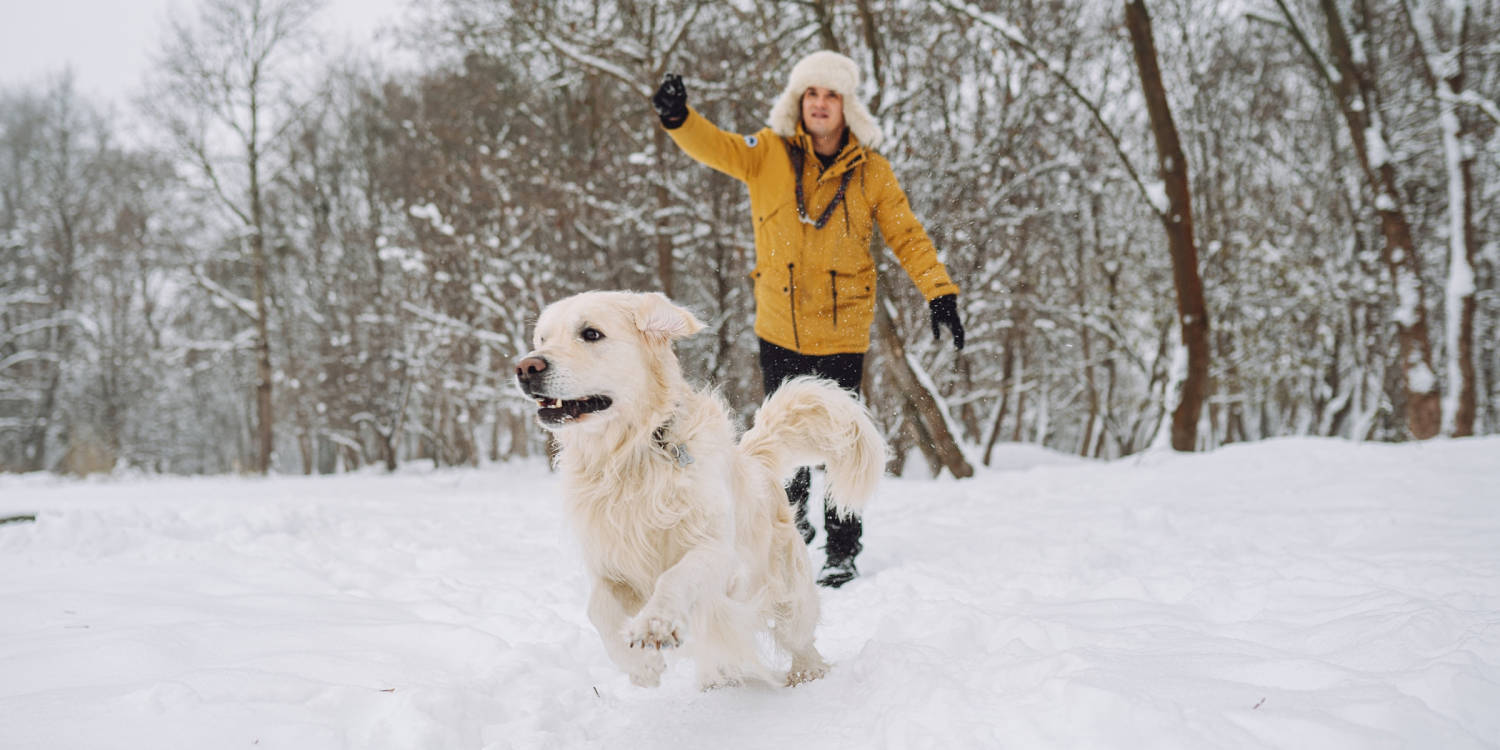
Once temperatures drop to about 32 degrees Fahrenheit, it’s time to limit dogs’ time outside, regardless of their size or coat.
NBC Selected independently determines what we cover and recommend. When you click on or buy through our links, we earn a commission. Learn more .
Once the temperature starts steadily dropping, I don’t think about getting my parka and snow boots out of storage — I immediately begin worrying about keeping my dog warm and safe when we go outside. Like people, dogs are at risk for frostbite and hypothermia if they’re exposed to the cold for too long. Slipping on ice, frozen paws and exposure to chemical de-icers are concerns for pet parents, too.
To make the winter more comfortable for your dog, I talked to two veterinarians about how to protect them from chilly, snowy weather. Vets also broke down their top winter safety tips, including what to do if your pet comes into contact with dangerous substances like ice melt, rock salt and antifreeze.
Selected. Our top picks
Want more from NBC Selected? Sign up for our newsletter, The Selection, and shop smarter.
The best winter gear for dogs
There’s two main components to dog winter safety: keeping pups warm and protecting their paws. You’ll need different gear to address each area — for example, coats help dogs retain body heat, while booties can prevent dogs from slipping on ice and stepping in toxic salt. The items I recommend in this article cover various needs and meet veterinarians’ shopping guidance. They include highly rated items and those NBC Selected pet parents use themselves. Experts also explain the purpose behind each product and when to use it.
How to keep dogs warm in the winter
Dog coats, jackets and sweaters aren’t just a fashion statement — the right one helps keep your pet warm, similar to humans. But not all dogs need the extra winter layer, says Dr. Hannah Hart, a veterinarian at Chewy . (Ed’s note: The inclusion of products sold by Chewy in this article was made independently of Hart). It depends on a dog’s size, coat length, health status, activity level and time spent outside.
Smaller dogs and/or those with short fur coats, like chihuahuas and greyhounds, for example, often benefit most from outerwear, as do dogs with thin skin, like those that are older or have certain medical conditions, including Cushing’s disease, says Hart. If your dog is highly active and produces a lot of body heat while running and playing, they may not need a coat. However, a thin, water-resistant layer can be helpful for even the largest, thickest-coated dogs to keep them dry during weather like snow and freezing rain, says Dr. Aly Cohen , an extension veterinarian for the Cornell Riney Canine Health Center. It’s also important to remember that adding extra layers is most important for longer trips outside compared to short excursions, like getting from your home to a car parked nearby.
Below are some of our favorite winter coats for dogs.
Best jacket
Spark Paws Dog Winter Jacket
This jacket is designed with everything veterinarians recommend looking for while shopping for dogs’ winter outerwear. It has a water-resistant exterior to keep your pet dry, as well as insulation and a fleece lining to keep them warm. Plus, the jacket is reflective, which Hart says is an important safety feature. Daylight hours are shorter in the winter, so you’ll likely have to take your dog outside in low light conditions — reflective apparel ensures that cars, bicyclists and other people see your pup.
Spark Paws’ jacket easily snaps on and off with double-breasted buttons so you can adjust its fit. There’s also a small zippered pocket to store essentials, and if you put a harness underneath the jacket, you can attach a leash to it via a zipper hole. It offers full coverage across the back, chest and stomach, too.
Best coat
Carhartt Insulated Dog Chore Coat
Carhartt’s coat doesn’t have as much chest and stomach coverage as the one from Spark Paws’, but it’s still warm since it’s insulated and has a quilted liner. You also may find it easier to put on your pet, especially if they’re squirmy. Rather than buttons, the coat’s adjustable Velcro straps wrap around your dog’s stomach and chest. Carhartt’s coat is made from a water-repellent canvas exterior that also protects them from wind, and there’s pockets on its sides for essentials, as well as a plush collar. It’s important to note that this coat doesn’t have a hole for harness access or leash attachment points.
Best fleece
Gooby Half Zip Up Fleece Vest
A fleece like this one is ideal for days when it’s chilly enough for your dog to need an extra layer, but not cold enough for their heavy coat. It’s also great for layering — I often put my dog’s fleece under her rain jacket in the fall to keep her extra warm. Gooby’s fleece is double-sided, so it’s soft against your dog’s body as well as on the exterior, and there’s a dual D-ring leash attachment. It also has a high collar to protect your pet’s neck. The vest’s half zipper creates a large opening to pull the fleece over your dog’s head. It offers full coverage across the back, chest and stomach.
Best snow suit
Canada Pooch The Snow Suit
If you live in an area that tends to get a lot of snow, or you plan to visit one this winter, your pup might need more protection than a standard coat offers. A full-body snow suit like this one keeps dogs warm and prevents snowball buildup in their fur — despite its extra coverage, however, it won’t restrict their movement. Canada Pooch’s snow suit has a water-resistant shell and thermal foil lining to help your dog retain heat, as well as a high funnel neck with adjustable toggles to keep wind and wetness out. The pant hem on each leg is also adjustable thanks to button snaps. There’s a side zipper closure to easily get the snow suit on and off your dog.
Best snood
Zoni Pets Happy Hoodie
“Snoods are another helpful winter gear item for dogs,” says Hart. “They’re a wraparound head covering that goes over the ears to protect them from frostbite, as the thin ear flaps can lose heat easily in cold weather.”
Zoni Pets’ Happy Hoodie is an example of a snood made from soft, stretchy, thick, double-ply fabric. Beyond being a warm winter accessory, it also calms and comforts pets when they’re anxious, according to the brand. The Happy Hoodie applies gentle compression around dogs’ ears, which reduces noise during grooming, fireworks, thunder, car rides and vet visits, and has a swaddling effect. This machine-washable snood comes in four sizes — a more snug fit is better at reducing noise and stress compared to a less snug fit.
How to protect dogs’ paws in the winter
Dogs’ paws are particularly vulnerable to the cold, wet weather since they can get frostbite, and their paw pads can become dry, cracked and irritated after repeat exposure to winter conditions. Chemical de-icers, like the ice melt and rock salt you typically see on sidewalks and in parking lots, is also a major concern. It’s toxic to dogs if ingested, whether they lick it off the ground or from their paws after stepping in it, says Hart.
To protect dogs’ paws in the winter, the vets I spoke to recommend using booties, which put a barrier between the ground and your pup’s feet. However, not all dogs tolerate booties, and it can be challenging to find a pair that fits properly, especially for small breeds. If booties don’t work for your pet, clean their paws with wipes immediately after a trip outside, and apply protective paw balm to prevent dryness and cracks.
Best dog booties
PawZ Rubber Dog Boots
Finding a pair of booties that fits your dog and that they tolerate might take some trial-and-error since each pair is sized differently. Try introducing them indoors before venturing outside, and do some focused training, too, says Cohen — put them on your pet and give them treats for walking in them, not biting at them and not pulling them off.
PawZ Rubber Dog Boots come in a pack of 12, so you get three sets of four. They’re essentially grippy socks that offer traction to prevent your pet from slipping on slick surfaces, like ice-covered pavement. The water-resistant boots also keep dogs’ feet warm and dry in the snowy weather, plus reduce the risk of paw pad injuries from ice and exposure to de-icers. Your dog can wear each set of boots multiple times before they begin to wear down and form holes, according to the brand — at that point, toss the old pair and use a new one.
Best dog booties with traction
Ruffwear Grip Trex Dog Shoes
Older dogs and those with mobility issues tend to need extra support on snow and ice in the winter, says Hart, which boots like these can help with. Compared to the option from PawZ above, Ruffwear’s boots have a thicker, more grippy, lug-like outsole, giving your pet maximum stability. Their wide opening helps you slip them over dogs’ paws, and the adjustable hook-and-loop cinch closure at the ankle keeps them in place. The boots are made with a flexible, breathable, padded mesh lining to prevent chaffing, rubbing and stiff walking, according to the brand. Ruffwear sells these booties in a pack of two, so you’ll need to buy two sets for all four paws — dogs often have wider front paws and narrower rear paws, so measure both before purchasing in case you need two sizes.
Musher’s Secret Dog Paw Wax
Whether you’re preventing your dog’s paw pads from becoming dry or healing existing irritation, Musher’s Secret wax will do the trick. It’s made from a blend of soothing, natural, non-toxic ingredients like waxes and oils with vitamin E , and it’s lick-safe. The paw wax also dries quickly and is non-staining, so you don’t have to worry about it getting on surfaces in your home. You can apply the wax before trips outside to create a breathable, protective barrier over dogs’ paws, or afterward as a moisturizer. The wax is suitable for dogs’ noses, elbows and other chapped areas of skin on their body as well.
Earth Rated Pet Wipes
I go through about one pack of Earth Rated’s Pet Wipes a month with my dog since I use them to clean her paws, legs, stomach and chest after walks or trips to the park. I’m sure I’ll rely on them even more this winter once we’re dealing with dirty snow and salt. The textured wipes effectively remove grime, and since they’re thick and durable, they never tear during use, in my experience. They’re also made with ingredients like aloe, shea butter, chamomile and cucumber, making them gentle and non-drying. I appreciate that the wipes’ come in a resealable container, which prevents them from drying out between uses. They’re always moist enough when I need them, but not soaking wet or drippy.
Why is ice melt dangerous for dogs?
In the winter, you’ll often see ice melt and rock salt covering pavement roads, driveways, parking lots and sidewalks. These chemical substances, which look like white, clear or blue crystals, are typically made with sodium chloride (salt) and other minerals. They help melt ice even in sub-freezing temperatures, as well as prevent new ice from forming.
While ice melt and rock salt can make surfaces safer to walk on in the winter, they’re dangerous for dogs to ingest, just like regular table salt is, says Hart. If dogs lick too much of either substance from the ground or their paws, it can cause salt poisoning, dehydration and kidney issues, which can appear as symptoms like vomiting, diarrhea, low energy, shaking or seizures, drooling and disorientation, says Hart. It can also be abrasive to the paws and cause redness , irritation and excessive licking, which can lead to open sores and skin infections.
Is pet-safe ice melt actually pet-safe?
Some ice melt and rock salt says “pet-safe” on its label, which usually means it’s free from sodium chloride (salt) and instead made with chemicals like urea and magnesium chloride. Cohen recommends using these pet-safe options at home when possible, although they’re not completely benign. “Pet-safe usually means the product is less harmful than a traditional de-icer, but pet-safe doesn’t mean zero risk,” she says. “They’re just less irritating, but could still cause mild irritation, though some pets may be more sensitive than others. Dogs should still be prevented from trying to lick their paws after contact or prolonged exposure.” Below is an example of pet-safe rock salt.
Safe Paw Ice Melt
What to do if your dog is exposed to ice melt
Coverage from 1 source
Coverage by lean
- Unknown1
Comments
Sign in to join the discussion.
Sign in with SpryLogin